Innovation Residues
Modes and Infrastructures of Caring for our Longue-durée Environmental Futures
studies the left-behinds of major fields of innovation, which impact the environment and our lives. It investigates how European innovation societies conceptualise, make sense of, live with, and care for these innovation residues, and how this shapes their relations to innovation.

About INNORES
Today, as technological innovations are seen as foundational to the future development of contemporary societies, the entanglements of innovation and society require closer scrutiny more than ever. INNORES offers a novel, empirically and theoretically rich approach to do so through a radically switched perspective. It does not put innovations themselves centre-stage, assigning to residues the role of potentially disruptive side-effects, but takes residues as the lens to study democratic innovation societies. It investigates how societies conceptualise, make sense of, live with, and care for innovation residues, and how this shapes their relations to innovation. Studying innovation societies through the complex networks and manifestations of residues, INNORES opens up new perspectives on how local choices and global impacts relate, on intergenerational justice and responsibility, on whose future imaginaries, values, and knowledges count when making choices, on how benefits and risks are distributed, and on modes and infrastructures of care for environmental futures.
Cross-cutting research, conceptual and methodological developments
INNORES is deeply committed to analytically curated comparison within and across the three fields of innovation – nuclear, digital and plastics – tracing heterogeneities, similarities, and differences when it comes to the generation of enduring residues, the modes and infrastructures of caring for them put in place and the imagined environmental futures this creates. In studying innovations through their residues, the project is methodologically committed to developing a comparative assemblage ethnography, combining diverse sets of empirical data from fieldwork, conferences, interviews, discussion groups, media and policy documents. It is also invested in creating space for voices of citizens and for different public contestations. We are thus interested in investigating frictions, alignments, and exclusions to better understand how diverse societal actors negotiate the place of innovation in contemporary societies through the lens of residues.
Nuclear Waste

Nuclear waste is in many ways the icon for residues that bring complex longue-term environmental futures with them. Promises that technical fixes will solve the problem have been circulating for three quarters of a century. There is a rich body of literature on aspects such as protests, trust and participation around nuclear waste facilities, or regulatory efforts.
Microplastic

Microplastics designate small plastic pieces entering the environment either as fibres, microbeads, or fragments of larger plastics. They are the residue of a technological innovation – plastic – that fundamentally transformed our lives. While first reports on microlastic in our oceans already appeared in the 1970ies, the notion of microplastics was only coined in 2004 and gradually became a matter of concern.
Data Waste

Data waste/waisting is a new category of residue created through digital innovations which INNORES wants to reflect on as a not-yet-fully acknowledged problem, a quasi-absence in carefully thinking about the consequential materiality of data, e.g., the potential impact of omnipresent big data visions and the extractive systems by which data are made valuable.
Latest news & events
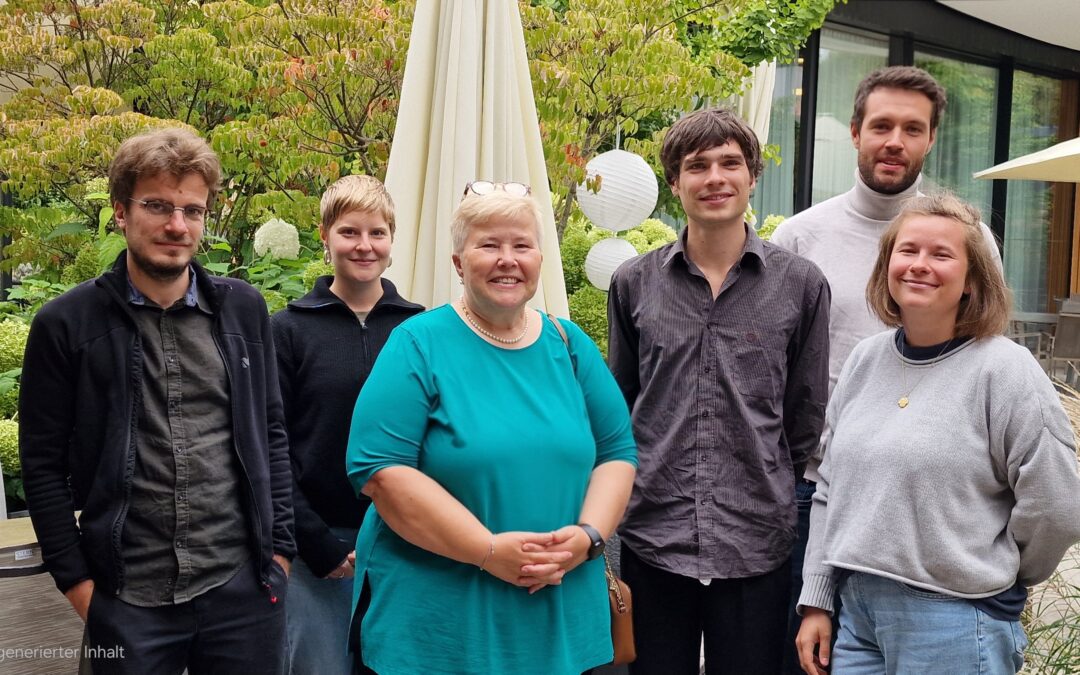
Retreat with the INNORES team 22-24 September 2025
Our team, Ulrike Felt, Carsten Horn, Noah Münster, Ange Pottin and Livia Regen, spent three great days together to advance our thinking in the INNORES project. It was in so many ways incredibly productive, grounded in genuine collegiality and curiosity. We tackled core, cross-cutting questions that bridged our different ideas and opened new paths forward. It was a real treat to share unhurried time for thinking together—proof that collective reflection powers is great.
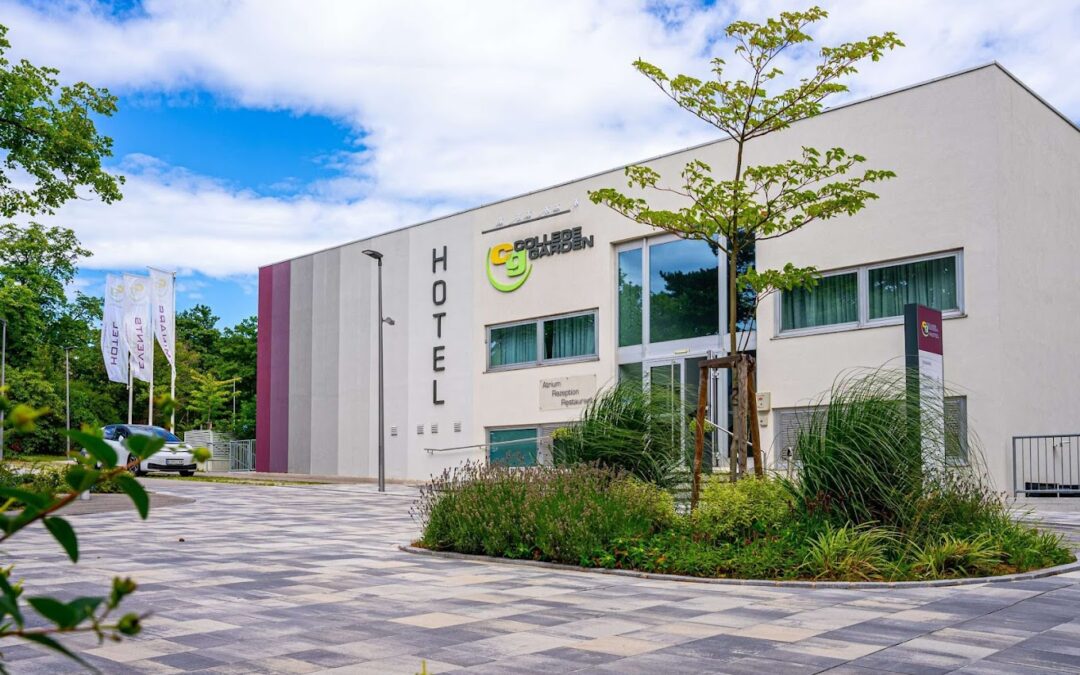
Environment and Climate Hub Retreat, Bad Vöslau, 2-3 October 2025
We had wonderful 2 days of interdisciplinary discussions and could also bring parts of the INNORES proiect into conversation with the community of researchers working on environmental topics.
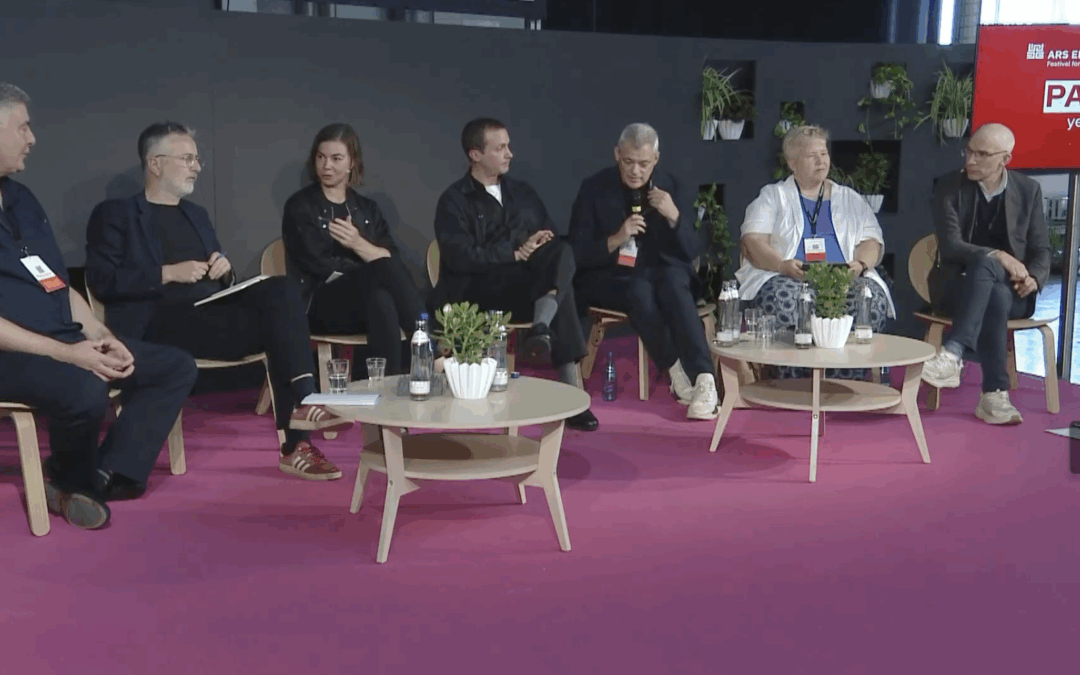
Earth Is a Sensorium, Panel Discussion @Ars Electronica, Linz, 7 September 2025
Ulrike Felt had the pleasure of participating together with Owen Gaffney (IE/SE), Mark Williams (GB) and Armen Avanessian (AT) in a great interdisciplinary dialogue organised by John Palmesino and Alexander Damianos. You can watch the debate at https://youtu.be/Z0T57-6Kca8.